Understand the pollen and mold levels in your home with DNA sequencing
Allergens are invisible. Their effects aren't.
DNA testing for allergens
Allergens are microscopic, but their impact isn’t. Boulder Blue's allergen testing sequences DNA to precisely identify molds and pollens in your home. Our tests reveal allergens in your air so you can stop guessing and take targeted action.

Invisible, but impactful
Pollen and mold spores accumulate even in clean homes

Real health effects
Allergies and asthma are often tied to unseen indoor allergens

Environments change
Seasons, humidity, pets, and renovations affect allergen levels

Data creates clarity
Lab measurements help target cleaning and remediation efforts.
Who Benefits From Allergen Testing?
Whether you’re managing health symptoms, evaluating a property, or hosting guests, allergen data helps you make better indoor environment decisions.

Allergies
"Seasonal" allergies can occur throughout the year as molds and pollen enter your home. Our homes also can be sources of allergens, especially molds.
Asthma
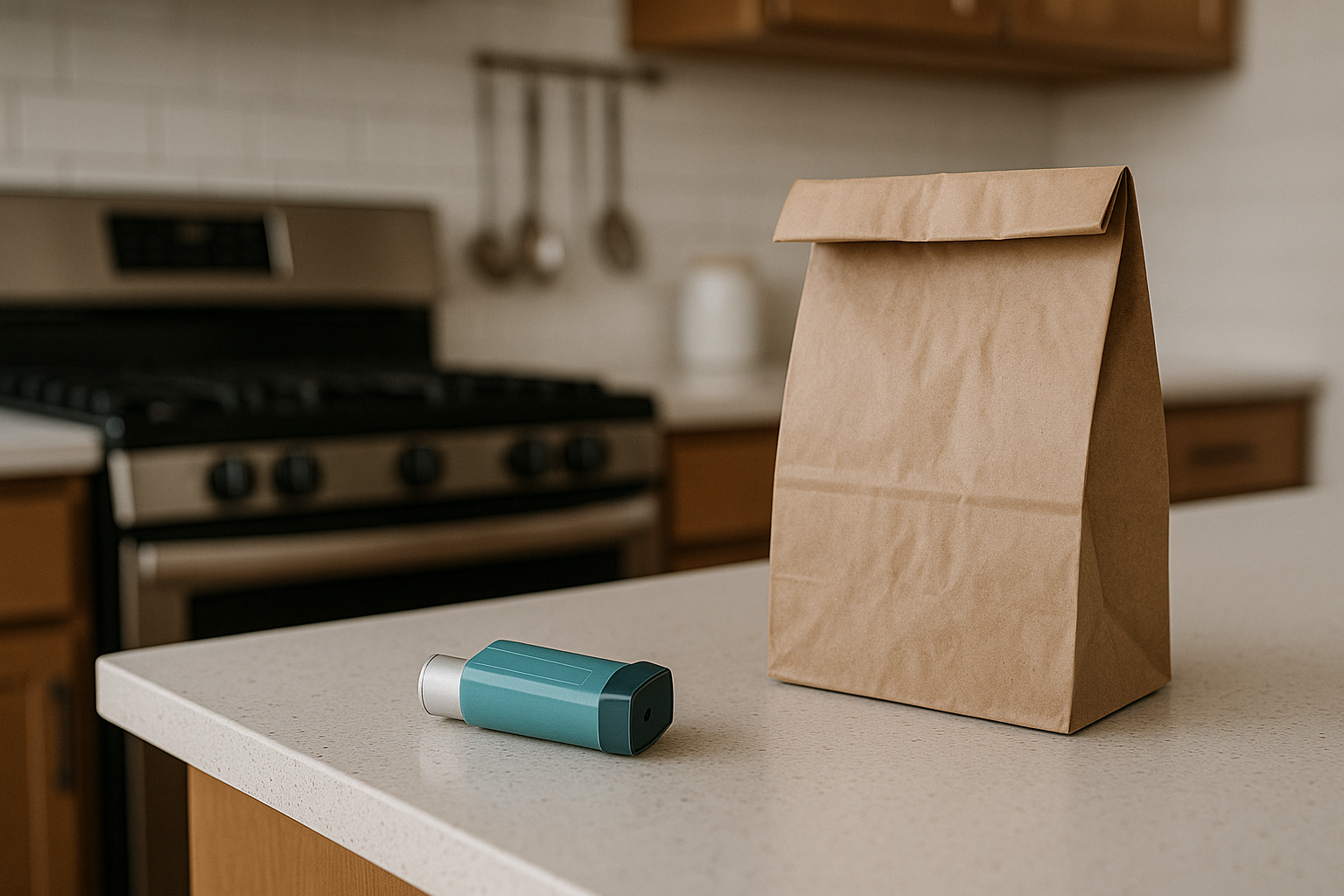
Almost 1 in 10 people in the US suffer from asthma. Although asthma can have many triggers, high mold and pollen levels can increase symptoms for those that suffer.
Home inspections
Home purchases are some of the most costly decisions we make. Including our allergen tests with home inspections provide transparency and smooth transactions for buyers and sellers.
Short-term rental
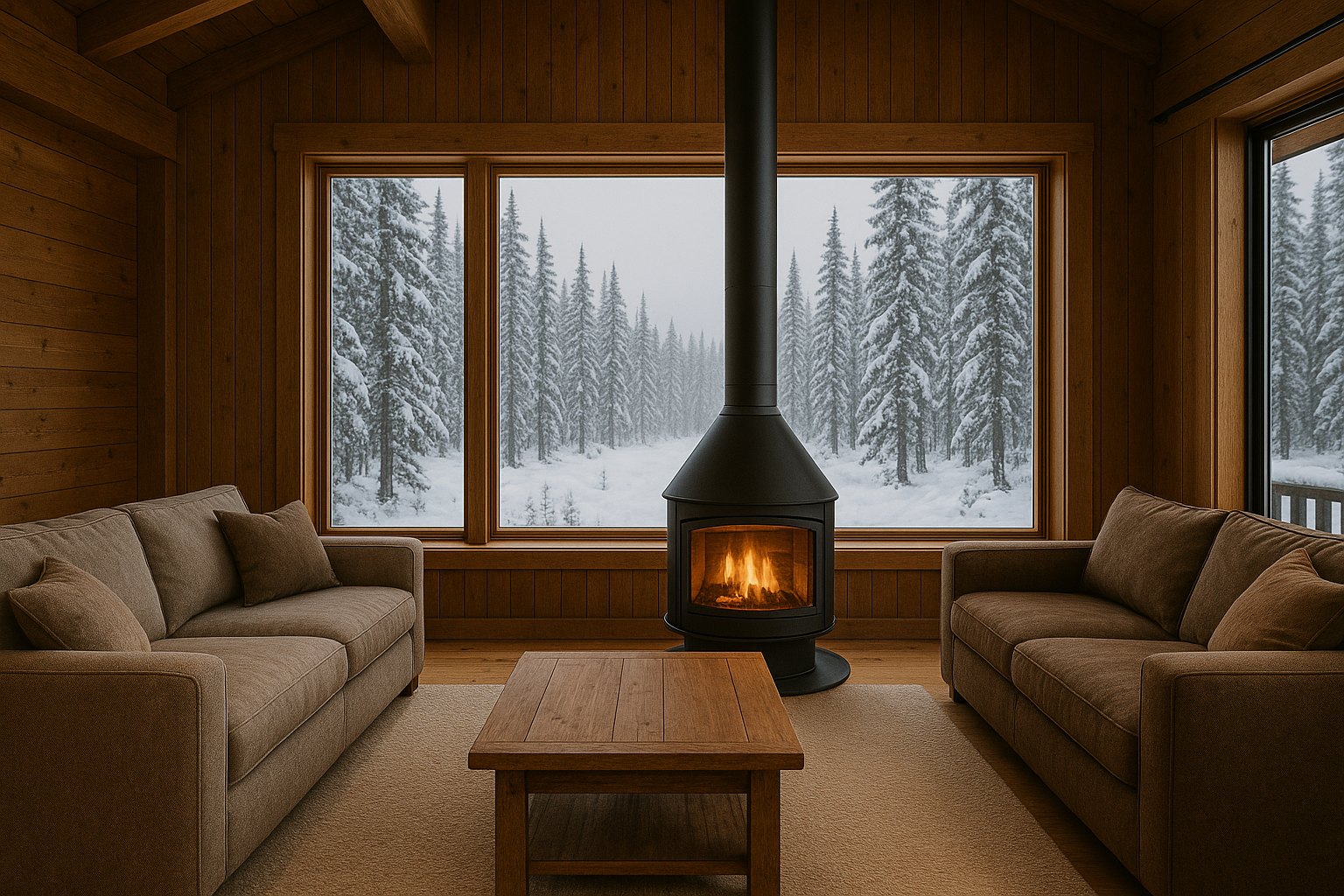
Providing an Airscore™ along with a short-term rental listing can provide peace-of-mind to renters and help promote properties in a competitive market.
How Does Our Test Compare?
See how Boulder Blue stacks up against common air testing methods — from cheap DIY plates to costly professional inspections.
|
Settling Plates
|
Surface Swabs / Tape
|
Professional Air Sampling
|
★ Best Value
Boulder Blue Test
|
|
|---|---|---|---|---|
| Price Range |
$10–$40 per kit |
$30–$80 per sample |
$500–$1,000+ per inspection |
~$100 Best value |
| How It Works | Open agar plate left out to collect settling spores; incubated to grow visible colonies | Swab or tape lifts material from a visible surface and sends to lab for identification | Pump pulls a small volume of air through a cassette; analyzed under a microscope | Active device pulls a large, controlled air volume through a filter; standardized DNA-based analysis |
| What It Detects | Living spores that settle by gravity and can grow on plates | Mold on that specific surface (viable + non-viable depending on method) | Airborne spores (viable + non-viable), categorized by morphology | Airborne mold, spores, allergen-containing particulates, and pollen |
| Accuracy |
⚠ Very Low Non-quantitative, biased by airflow & time |
~ Moderate Confirms surface presence only; not air quality |
~ Moderate Limited by small sample size & microscopy |
✓ High Large air volume + standardized DNA measurement |
| Air Volume Sampled | Moderate | Low | Low | High |
| Analyst Bias Risk | ✗ Yes — high risk | ◑ Some risk | ◑ Some risk | ✓ No — standardized |
| Turnaround Time | 3–7 days (growth + visual read) | 2–5 days lab processing | 2–5 days after visit | 1–2 weeks after lab receipt |
| Main Limitations | Misses non-settling spores; prone to false reassurance; no pollen data | Surface-only; not quantitative; limited allergen specificity | Small air snapshot; limited ID power vs. DNA approach | — Designed to minimize limitations of other methods |
| Best For | Cheap visual demonstration that fungal spores exist | Confirming visible mold on a surface | Remediation validation | Homeowners wanting reliable, repeatable air quality insights without hiring an inspector |
Professional-grade air quality insights. No inspector required.

How it works
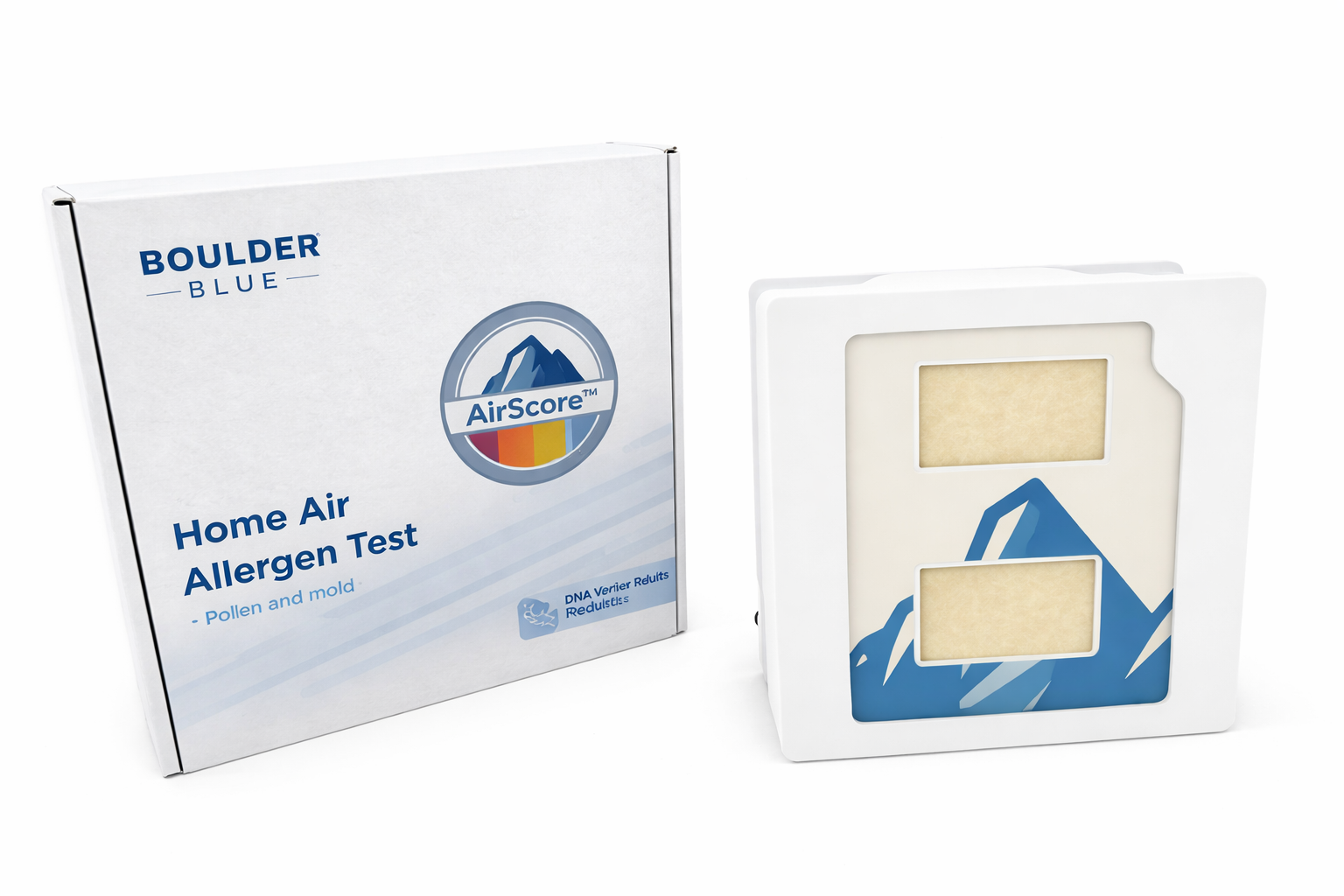
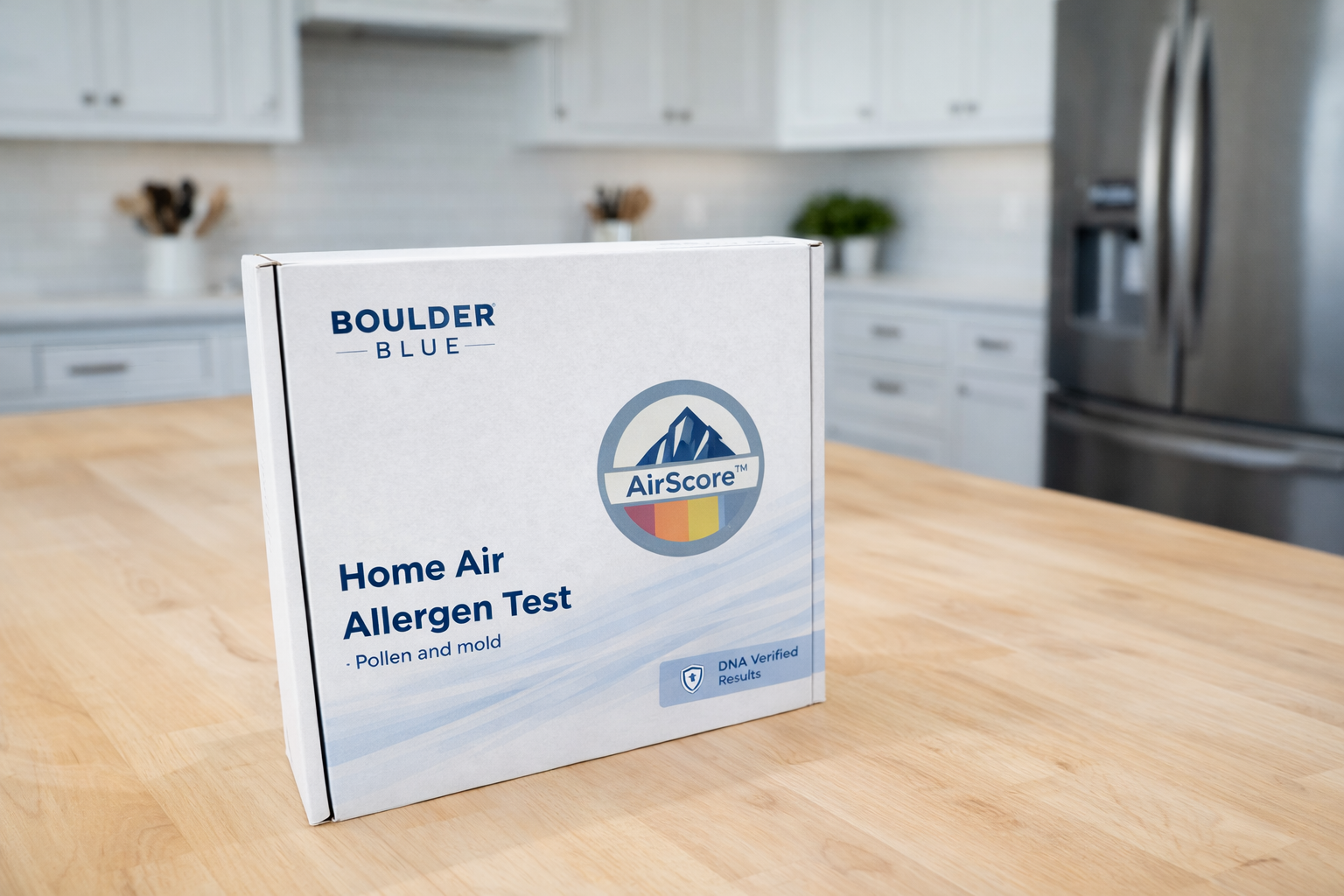
The Boulder Blue Home Allergen Test is simple and effective. Users just need to register their kit on-line, run the provided fan for 2 hours, and then ship the unit to our lab. A short time later, users will receive an email notification to view their results.

Your Results, Explained in Plain Language
The Boulder Blue Allergen Test reports are built to be detailed, but easy to understand. Each report provides a high-level summary as well as detailed individual results that can be used to determine the best courses of remediation if necessary.
Learn More About Indoor Air Quality

How DNA Analysis Works - And Why It's Better for Detecting Home Allergens
What does DNA have to do with mold and pollen in the air? Every living organism - including mold fungi and plants - carries a unique genetic sequence. When molds release spores or plants release p...
Why Poor Sleep May Be an Indoor Air Problem
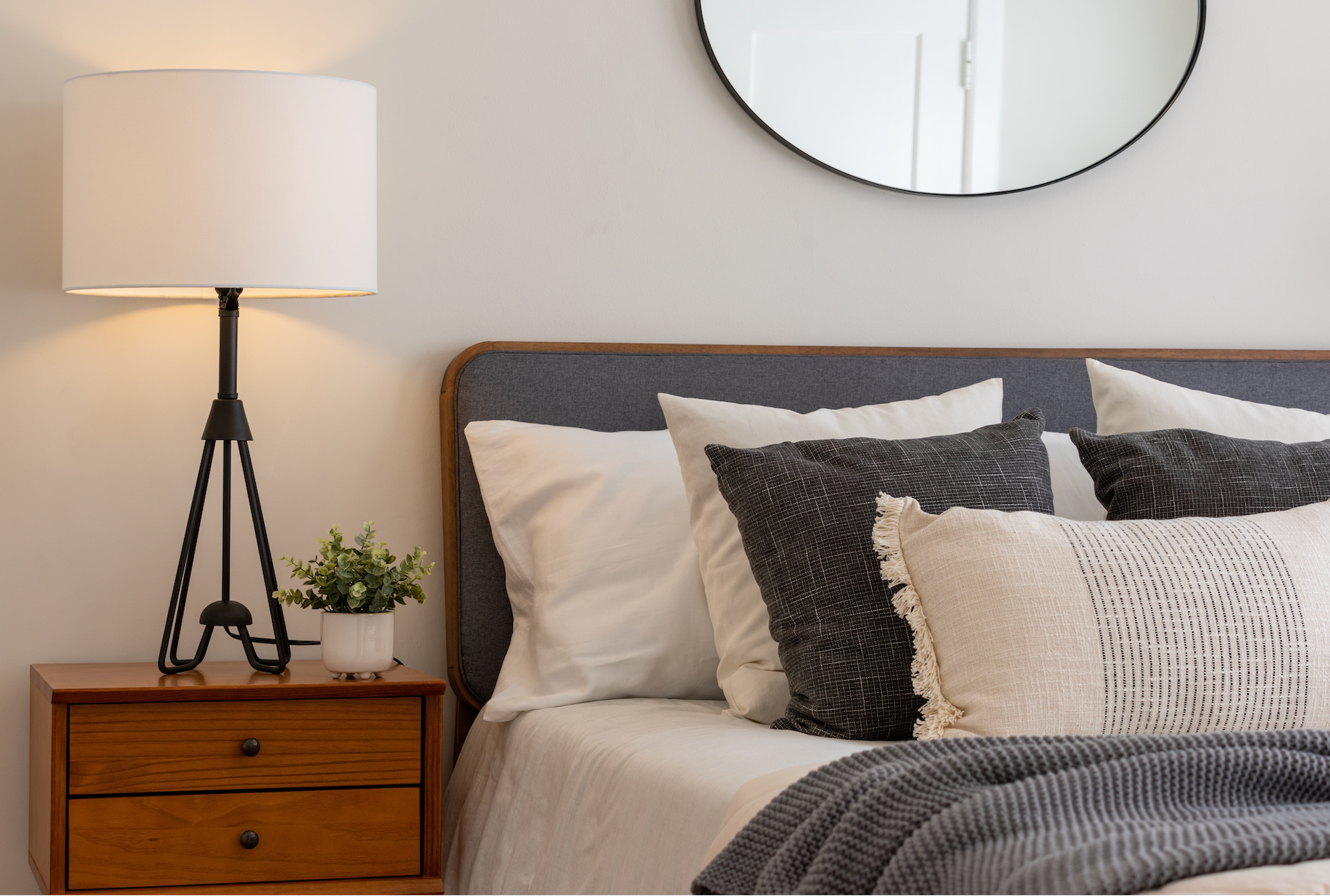
Waking up congested, fatigued, or with itchy eyes is easy to blame on a bad night's rest. But for many people, the real cause is what they were breathing while they slept. Indoor allergens - partic...

Could Your Home Be Making You Sick?
Sneezing, fatigue, congestion and red eyes could be signs your home air is the problem. Learn how mold and pollen allergens build up indoors and what you can do about it.
Purchase Your Kit Today
Have a question ? We are here to help.
Check out the most common questions our customers asked. Still have questions? Email us at info@boulderblue.com.
Where in my home should I place the fan?
The fan can be placed anywhere in the home that you are worried about mold or allergens. Spaces such as a basement, bedroom, a living room are all great options.
Do I need to setup an account to place an order? How do I register a sample?
You can register your sample at data.boulderblue.com. The form will walk you through all the necessary information. This is also where you will access your results.
Where should I send my sample?
Your sampling kit should have included a prepaid return label. If you have misplaced the return label you can ship the box to our lab at 5485 Conestoga Ct Ste 210 Boulder, CO 80301 using any 2-day shipping service.
How do I access my data?
A link to access your results will be emailed to you when they are available. After that, you can log in anytime to data.boulderblue.com.
Can I run the fan for more than or less than 2 hours?
We recommend running the fan for at least 2 hours. If you run the fan for more than or less than that time please let us know exactly how long the fan was run for so that we can scale your data accordingly.