

What Short-Term Rental Hosts and Guests Should Know About Indoor Mold
When travelers book a short-term rental, they're making assumptions about the air they'll be breathing - often without any way to verify them. For the roughly 30 percent of adults who suffer from r...

Indoor Mold and Children's Health: What Parents Should Know
Children are disproportionately affected by indoor air quality problems, yet the connection between home mold levels and children's health is rarely discussed with the same urgency as other environ...

Room by Room: Where Allergens Accumulate in Your Home and What to Do About It
Indoor allergens don't settle evenly throughout a home. They concentrate in predictable places based on airflow, moisture, and the surfaces present, which means remediation works best when it's tar...

How DNA Analysis Works - And Why It's Better for Detecting Home Molds
What Does DNA Have to Do With Mold in the Air? Every mold spore carries a distinctive genetic sequence. When molds release spores and other microscopic material, those airborne particles carry fung...
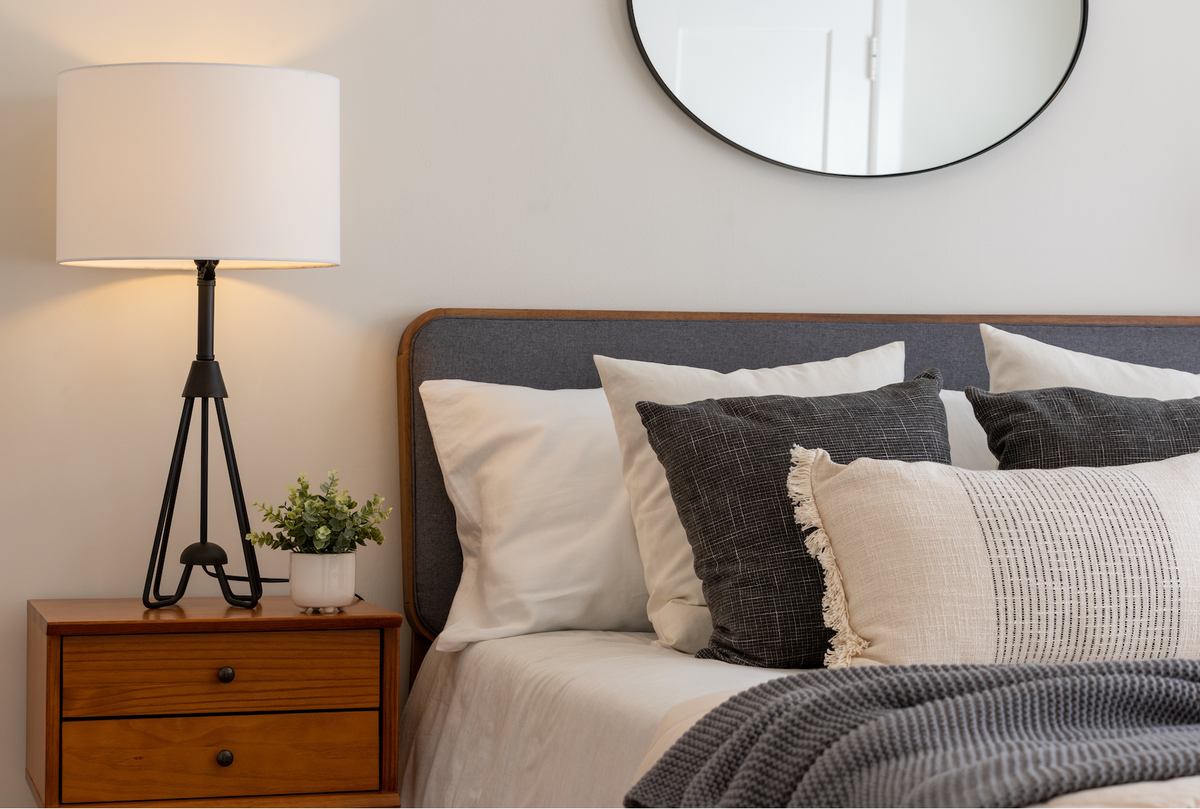
Why Poor Sleep May Be a Mold Problem
Waking up congested, fatigued, or with itchy eyes is easy to blame on a poor night’s rest. But for some people, the problem may be connected to what they were breathing while they slept. Airborne m...

Could Your Home Be Making You Sick?
Sneezing, fatigue, congestion and red eyes could be signs your home air is the problem. Learn how mold and pollen allergens build up indoors and what you can do about it.