

Indoor air quality can affect comfort, sleep, and respiratory health. Mold is an important part of that picture because spores and other fungal particles can enter from outdoors, accumulate inside, or originate from active growth within the home.
Every home has a distinct mold profile. Even neighboring houses can have very different types and concentrations of airborne mold depending on humidity, ventilation, building condition, recent weather, cleaning practices, and past water damage.
Understanding which molds are present—and whether they are likely coming from outdoors or growing indoors—can help homeowners choose more appropriate next steps.
Understanding the Sources of Indoor Mold
Airborne mold detected inside a home generally comes from one or more of three sources:
-
Outdoor molds that enter through windows, doors, gaps, and ventilation systems.
-
Moisture-driven indoor growth associated with leaks, condensation, flooding, or high humidity.
-
Molds that tolerate relatively dry conditions and may persist in dust, carpeting, upholstery, stored materials, or HVAC components.
Identifying the likely source matters. Outdoor spores may be addressed primarily through filtration and entry control, while active indoor growth requires correcting the underlying moisture problem.
Outdoor Mold
Outdoor molds grow naturally on soil, vegetation, fallen leaves, wood, mulch, and other organic material. They release microscopic spores that become airborne and can enter the home.
Outdoor mold levels vary with climate, season, and weather. In many regions, concentrations rise during warm or damp periods and when decaying vegetation is abundant. Levels may decline during cold winters, although they can remain detectable year-round in warmer climates.
Common entry routes include:
-
Open windows and doors.
-
Gaps around window and door frames.
-
Ventilation systems that bring in outdoor air.
-
Clothing, shoes, bags, and pets.
To reduce the amount of outdoor mold entering and accumulating indoors:
-
Use HVAC filters rated MERV 11 to 13 when compatible with the system.
-
Run HEPA-filtered air purifiers in bedrooms and frequently used living areas.
-
Keep windows closed when outdoor mold levels are elevated.
-
Replace damaged weatherstripping around windows and doors.
-
Use outdoor and indoor entry mats and consider a no-shoe policy.
-
Change clothes and shower after yardwork or handling damp leaves and mulch.
These measures can reduce exposure, although they cannot eliminate the outdoor spores naturally present in the environment.
Moisture-Driven Indoor Mold
Indoor mold commonly develops when building materials remain damp because of leaks, flooding, poor ventilation, condensation, or persistently high humidity. Growth can occur even when the moisture source is small or concealed.
Possible warning signs include:
-
A persistent musty odor.
-
Recurring condensation on windows or walls.
-
Water stains or discoloration.
-
Peeling paint, damaged drywall, or warped materials.
-
Symptoms that become more noticeable in a particular room or building.
Effective control begins with the moisture source:
-
Repair plumbing, roof, foundation, and appliance leaks promptly.
-
Use and maintain bathroom and kitchen exhaust fans.
-
Keep indoor relative humidity between 30% and 50%.
-
Improve airflow around plumbing fixtures, appliances, and exterior walls.
-
Dry wet materials promptly after a spill or leak.
-
Investigate concealed moisture when odors or other warning signs persist.
-
Remove materials that remain moldy or cannot be adequately cleaned and dried.
Cleaning visible mold without correcting the source of moisture is unlikely to provide a lasting solution. Disturbing moldy materials can also release additional particles, so extensive or hidden growth may require professional assessment and remediation.
Molds That Tolerate Drier Conditions
Some molds are xerophilic, meaning they can grow under drier conditions than many other fungi. Examples include Wallemia and certain Aspergillus species. Their presence does not necessarily indicate a major leak or flooding event.
These molds and their particles may be associated with:
-
Carpets and rugs.
-
Upholstery and curtains.
-
Household dust and HVAC filters.
-
Stored clothing, linens, cardboard, and other materials.
-
Closets, attics, crawl spaces, and storage areas.
Regular cleaning and filtration can help reduce these indoor reservoirs:
-
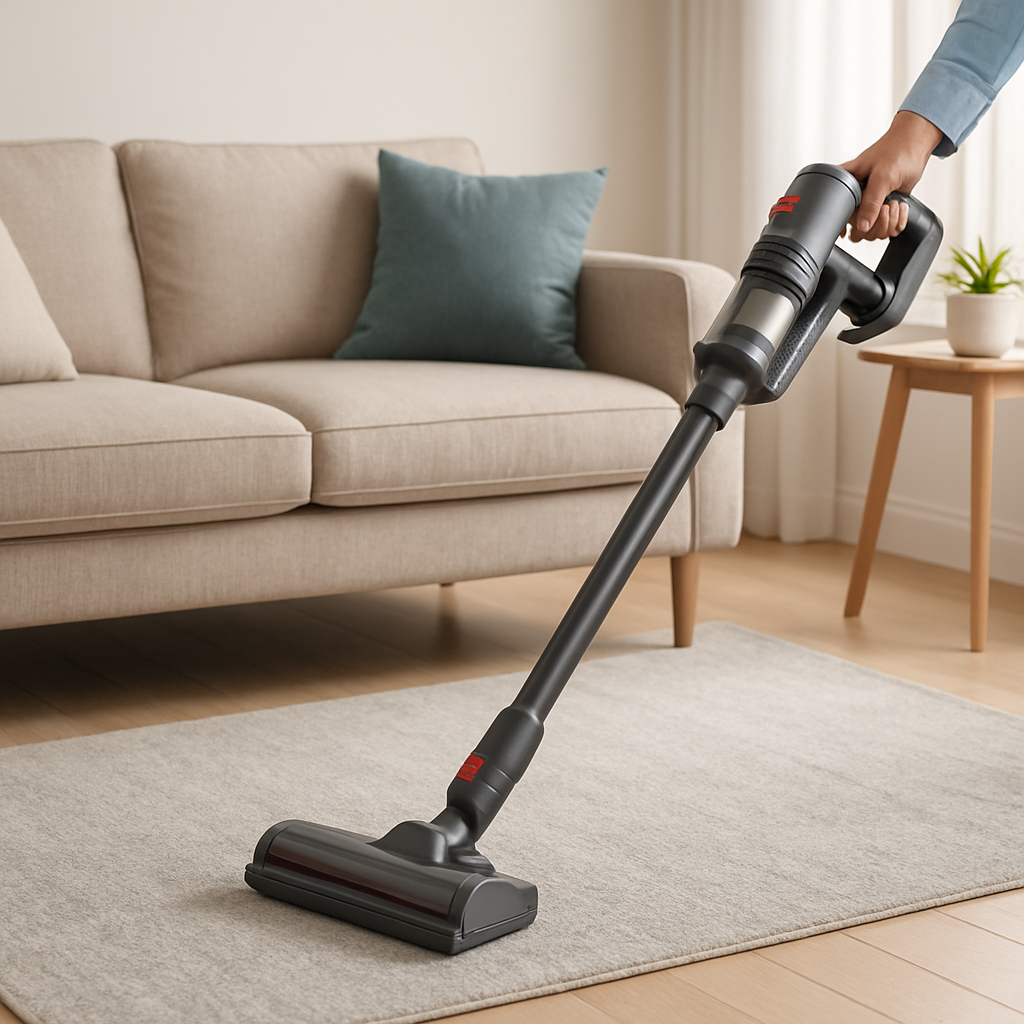
Vacuum carpets, rugs, and upholstery with a true HEPA-filtered vacuum.
-
Damp-dust hard surfaces rather than dry dusting.
-
Run HEPA-filtered air purifiers in frequently occupied rooms.
-
Replace HVAC filters at the recommended intervals.
-
Reduce clutter, particularly in corners and storage areas.
-
Keep stored materials clean and dry.
-
Maintain indoor relative humidity below 50%.
Finding a dry-tolerant mold does not establish where it is growing. Results should be considered alongside moisture conditions, building history, visible evidence, and other inspection findings.
A Whole-Home Mold-Control Strategy
Many of the most effective mold-control measures work together:
-
Maintain indoor relative humidity between 30% and 50%.
-
Correct leaks, condensation, and other moisture problems.
-
Improve ventilation in moisture-prone rooms.
-
Use appropriate HVAC filtration.
-
Vacuum soft surfaces with a HEPA-filtered vacuum.
-
Damp-dust hard surfaces.
-
Wash bedding and washable soft furnishings regularly.
-
Reduce clutter where dust and fungal particles can collect.
-
Inspect areas with musty odors or signs of water damage.
Filtration and cleaning can reduce airborne and settled mold particles. Neither can substitute for source control when mold is actively growing indoors.
Measuring the Results
Because indoor mold concentrations can change with weather, season, ventilation, and moisture conditions, testing provides a snapshot of the air during the sampling period. An initial test can help identify the molds present and highlight patterns that may warrant further investigation.
Follow-up testing can help evaluate conditions after filtration, moisture correction, or remediation. Results should be interpreted in the context of the home’s condition and sampling circumstances rather than viewed as a stand-alone diagnosis.
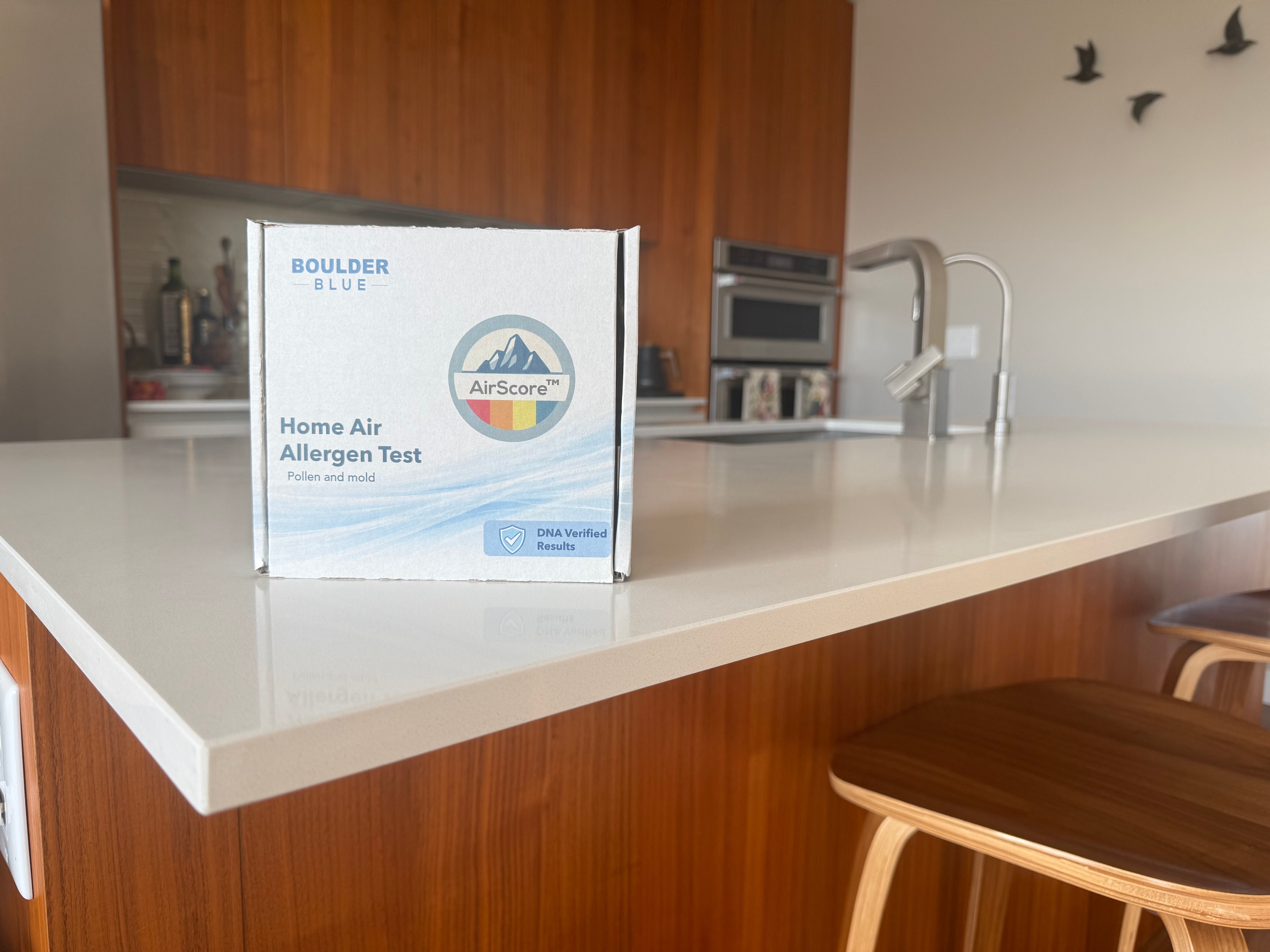
Boulder Blue uses active air sampling and DNA sequencing to identify and quantify airborne molds. The resulting information can help homeowners make more focused decisions about inspection, moisture control, cleaning, filtration, and remediation.
Mold is a normal part of the environment, but elevated or unusual indoor conditions deserve attention. By understanding what is present and addressing the likely sources, homeowners can take practical steps toward healthier indoor air.

Leave a comment
All comments are moderated before being published.
This site is protected by hCaptcha and the hCaptcha Privacy Policy and Terms of Service apply.