

Are Molds Just an Indoor Problem?
No. Molds are a natural part of the outdoor environment, where they grow on soil, leaves, wood, mulch, and other organic material. Outdoor spores can enter a home through open doors and windows, on clothing and shoes, or through the HVAC system.
Mold can also grow indoors when sufficient moisture is present. Flooding, plumbing leaks, roof damage, condensation, and high humidity can create suitable conditions. Indoor growth is not always visible; mold may be concealed behind walls, beneath flooring, under carpeting, or in other building materials while continuing to release spores and fungal particles into the air.
Because people spend so much of their time indoors, the molds present in household air may contribute to persistent exposure throughout the year.
Should I Only Worry About Mold if My Home Has Evidence of Water Damage?
No. A history of flooding, plumbing problems, roof leaks, or other water damage increases the possibility of indoor mold growth, but major water damage is not required. Mold can develop anywhere that moisture persists, including poorly ventilated bathrooms, damp basements, crawl spaces, laundry areas, window frames, and spaces behind appliances.
Growth may also be hidden inside walls, beneath carpeting or subflooring, and within other building materials. Musty odors, recurring condensation, unexplained staining, peeling paint, warped materials, and persistent indoor humidity may all justify further investigation, even when mold is not plainly visible.
Not every mold detected indoors is necessarily growing inside the home. Some spores originate outdoors and enter through doors, windows, and ventilation systems. Understanding the types and concentrations present can help distinguish ordinary outdoor influence from a potential indoor source.
Is Mold Exposure Seasonal?
Outdoor mold levels can vary with the season, weather, climate, and local vegetation. In many locations, outdoor spore concentrations increase during warm or damp periods and when fallen leaves and other plant material begin to decompose.
Indoor exposure, however, can occur at any time of year. Mold growing inside a home may continue releasing spores as long as moisture conditions remain favorable. Heating and cooling systems can also move spores between rooms, while carpeting, upholstery, and other materials can collect particles that later return to the air.
For these reasons, mold-related symptoms are not necessarily limited to a conventional “allergy season.” Symptoms that persist throughout the year—or become more noticeable in a particular building—may warrant closer examination of the indoor environment.
Don’t Inexpensive Mold Tests Suffice for Evaluating Indoor Air?
Many inexpensive mold tests use settling plates that collect spores falling from the air and allow them to grow into visible colonies. These tests can demonstrate that mold spores are present, but mold is common in nearly every indoor environment. Without reliable identification and concentration data, the result may provide little insight into whether an unusual condition exists.
Culture-based tests also detect primarily the spores capable of growing under the test’s particular conditions. They may not capture nonviable spores or fungal fragments, and they can favor molds that grow readily in culture while underrepresenting others.
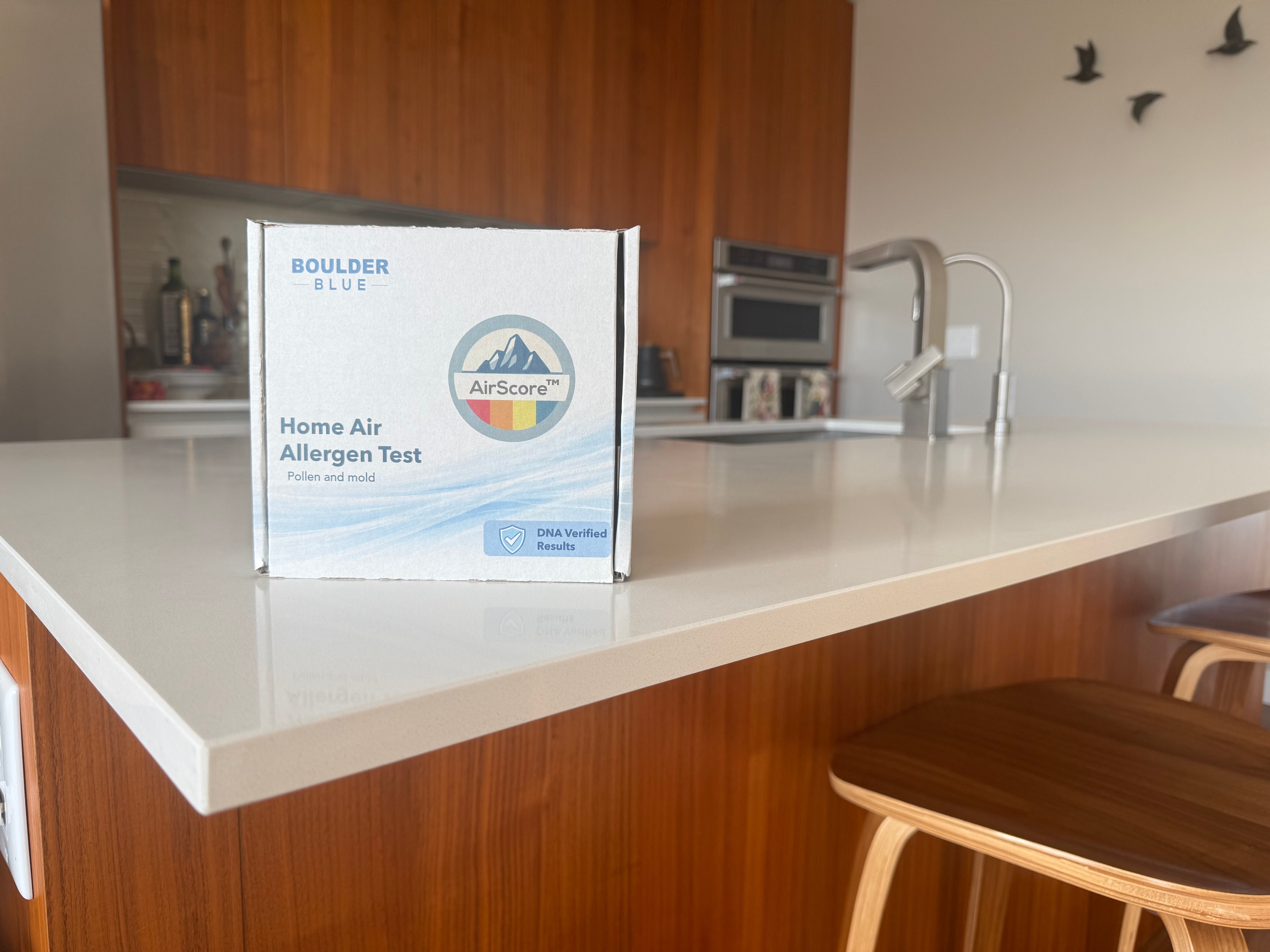
Boulder Blue uses active air sampling and DNA sequencing to identify and quantify airborne molds. The results provide a more detailed picture of the molds detected and can help guide an investigation into whether they are more likely to reflect outdoor air, indoor growth, or a combination of both.
Can I Reduce My Exposure to Mold at Home?
Yes. The most effective strategy depends on whether the mold is entering from outdoors, growing inside the home, or accumulating in indoor materials.
Practical measures may include:
-
Maintaining indoor relative humidity between 30% and 50%.
-
Repairing leaks and correcting sources of condensation.
-
Improving ventilation in bathrooms, kitchens, and basements.
-
Replacing HVAC filters on schedule with filters suitable for the system.
-
Using HEPA-filtered air purifiers and vacuums.
-
Cleaning settled dust and keeping moisture-prone areas dry.
-
Removing water-damaged materials that cannot be dried or cleaned adequately.
-
Obtaining professional assessment or remediation when extensive or hidden growth is suspected.
Filtration and cleaning can reduce airborne and settled spores, but they cannot correct active mold growth. When mold is growing indoors, controlling the moisture source is essential.
Boulder Blue provides science-based information about the molds detected in your air, helping you make more focused decisions about moisture control, inspection, filtration, and remediation.
Should I Share My Boulder Blue Results With My Allergist?
Yes. If you experience respiratory allergies or asthma, your Boulder Blue results may provide useful context about the molds detected in your home. An allergist can evaluate that environmental information alongside your symptoms, medical history, and clinical allergy testing.
A Boulder Blue air test measures mold in the environment; it does not diagnose a mold allergy or determine which molds cause an individual’s symptoms. Because environmental exposure and personal sensitivity are different questions, your healthcare provider is best positioned to interpret the results in the context of your health and discuss appropriate testing or treatment.


Leave a comment
All comments are moderated before being published.
This site is protected by hCaptcha and the hCaptcha Privacy Policy and Terms of Service apply.